Key Takeaways
- Curated discovery platforms connect new products with people who are already browsing for tools.
- Prepare all your listing assets (URL, description, logo, category) before you start submitting.
- Quality over quantity - a few relevant platforms beat a long list of low-quality ones.
- Track every submission in a spreadsheet and follow up once a platform's stated review time has passed.
- Vary your descriptions slightly between platforms so each profile reads naturally.
Why Product Listings Still Work
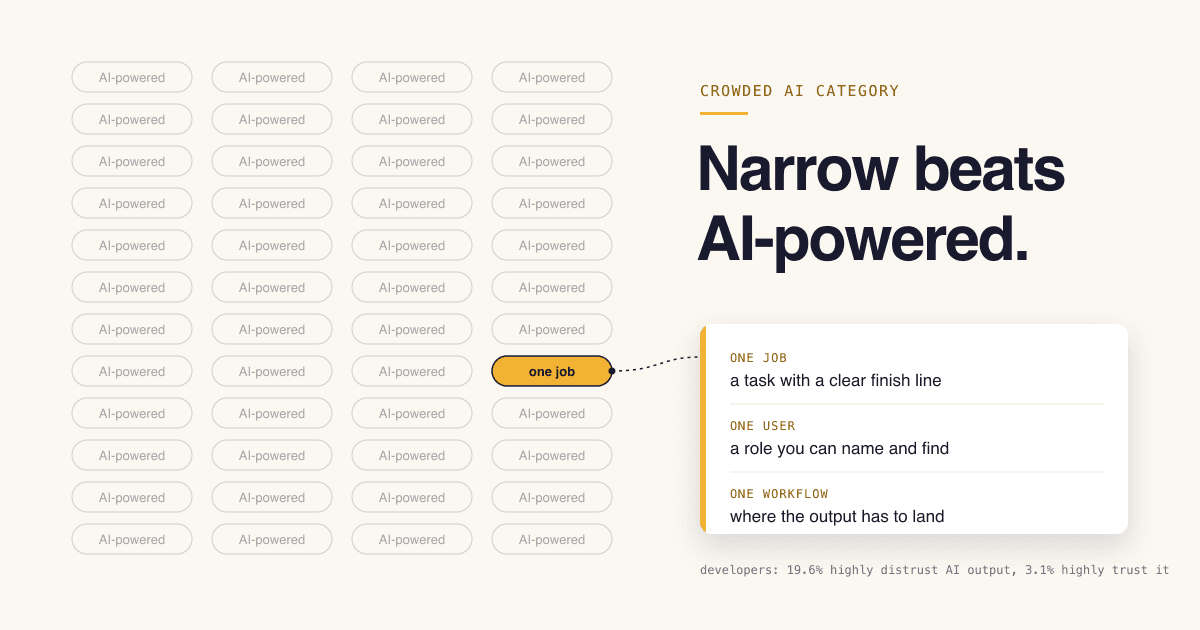
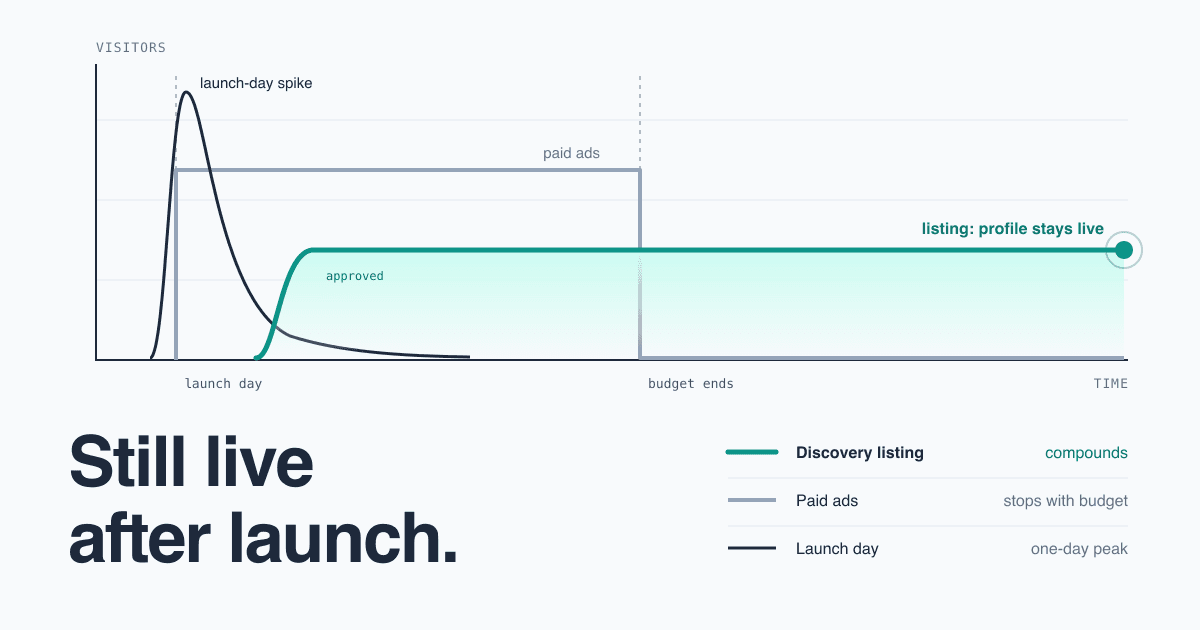
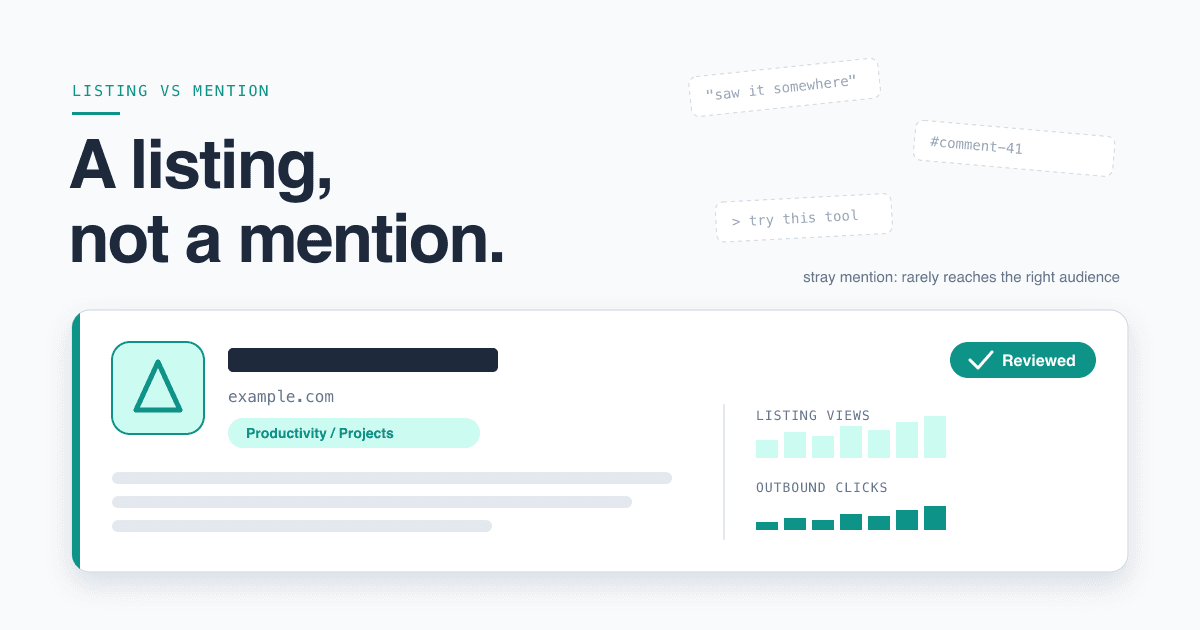
Directories that list anything, with no standards, gave product listings a bad name. Curated discovery platforms are a different thing: submissions are held to a content standard, and visitors come to browse for new tools. What they offer is a credible profile in front of that audience, plus whatever referral traffic the profile earns.
Getting listed on the right platforms is a practical way to build foundational product visibility, especially for new products that are still building their first audience.
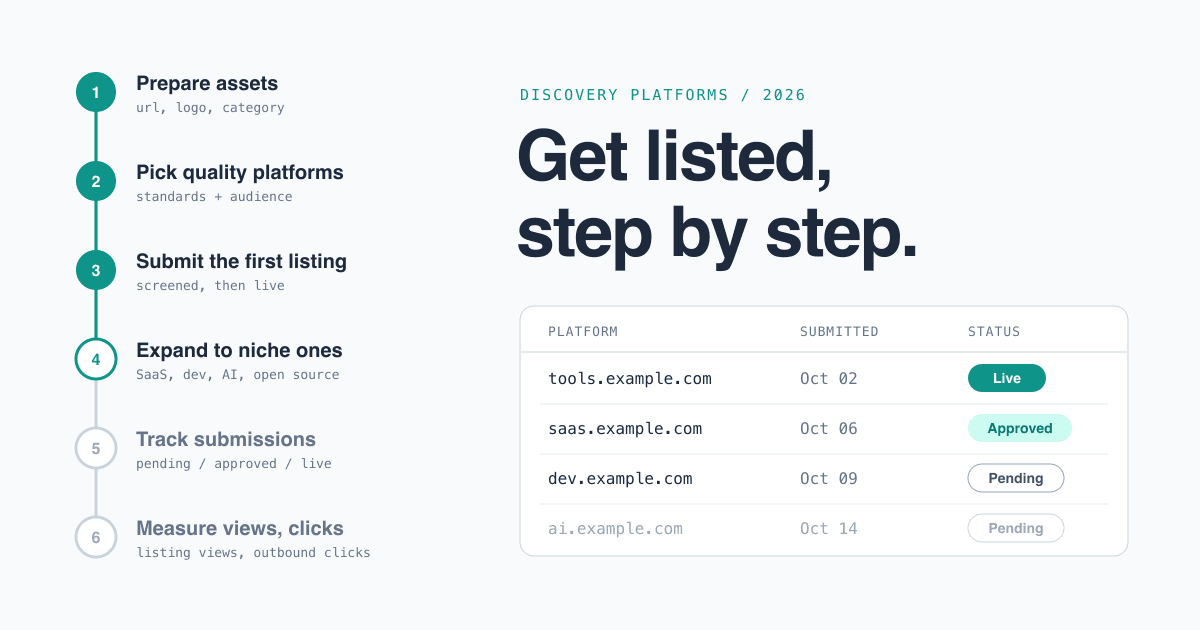
Step 1: Prepare Your Listing Information
Before you start submitting, gather the following assets. Having them ready speeds up every submission:
| Asset | Common ask (varies by platform) | Example |
|---|---|---|
| Site URL | Primary domain, no trailing slash | https://myapp.com |
| Site title | 3-8 words, match your title tag | MyApp - Project Management for Teams |
| Short description | Under 160 characters | Simple project management for remote teams... |
| Long description | 2-3 paragraphs, unique per directory | Full product overview with features and use cases |
| Logo | Square, min 200x200px, PNG or SVG | logo-512x512.png |
| Category | Most accurate primary category | Productivity / Project Management |
Step 2: Identify Quality Platforms
Not all platforms are worth your time. Focus on platforms with these characteristics:
- A relevant, active audience - Real people visit to discover tools in your category
- Content standards - Submissions are checked against a published policy before they go live
- Topical relevance - The platform serves your niche (tech, SaaS, startups, etc.)
- Active submission pipeline - Recent listings visible on the site
- Clear quality standards - Visible moderation and editorial guidelines
Pro Tip
Before submitting to any platform, browse its existing listings first to gauge editorial quality. If you see low-quality, spammy, or irrelevant products listed, that platform will not put you in front of the right audience, and it is not worth your time.
Quality Platforms vs Low-Quality Ones
| Characteristic | Quality Platform | Low-Quality Platform |
|---|---|---|
| Approval process | Submissions checked against a published content policy | Anything is published, no checks |
| Audience | Relevant visitors actively browsing for tools | Little to no real traffic |
| Profile quality | Structured, well-presented listing pages | Bare links with no real profile |
| Listing quality | Curated, relevant, active products | Anything submitted, no filtering |
| Result for you | Real discovery from a relevant audience | Negligible visibility |
Step 3: List on CodeTrendy First
If your product fits the categories here, you can start with CodeTrendy. Submissions are screened against our content policy before they are published, and an approved product gets a public profile in its category. Submit your product - the form asks for your URL, title, description, category, logo, and at least one screenshot. Check our pricing page to see available listing plans.
Step 4: Expand to Niche Platforms
After your primary submission, identify platforms specific to your vertical:
- SaaS and products - Product Hunt, AlternativeTo, SaaSHub, G2
- Open source - awesome-* lists on GitHub, LibHunt, OpenSourceAlternative.to
- AI tools - There's An AI For That, Futurepedia
- Developer tools - Hacker News Show HN, DevHunt, StackShare
- General startups - BetaList, Launching Next, StartupBase
Step 5: Track Your Submissions
Use a simple spreadsheet or Notion table to track progress. Include these columns:
- Platform name and URL
- Submission date
- Status - Pending, Approved, Rejected, Live
- Live URL - The actual listing page once approved
- Audience fit - For prioritization
- Placement type - Standard listing, featured, or category
- Notes - Any follow-up needed
Check pending submissions monthly. Review times differ by platform, so note the stated window when you submit. If a submission is still pending well past it, try resubmitting once or contacting the platform operator.
Pro Tip
Focus your energy where the audience fits, not on volume. A handful of well-targeted listings on relevant platforms will reach more of the right people than dozens of submissions to places your audience never visits.
Step 6: Track Your Listing Performance
Once approved, check how each listing performs. The best platforms report listing views and outbound clicks so you can see which placements actually send relevant visitors. Use that to decide where to invest more attention.
What to Avoid
- Do not submit to dozens of irrelevant platforms at once - reach matters more than count
- Do not use identical descriptions everywhere - vary your copy so each profile reads well
- Do not pay for placement on low-quality sites with no real audience
- Do not submit products that are not live or fully functional at submission time
- Do not use keyword-stuffed descriptions - write naturally for the people who will read them
A focused, quality-first approach to listings puts your product where relevant people browse. It does not guarantee traffic, so keep measuring what each listing sends.
Frequently Asked Questions
How many platforms should I list on?
There is no correct number. Start with a handful whose audience matches your product, and add more only where reporting shows a listing sends relevant visitors. It is better to be present where your audience is than to be listed everywhere.
Should I pay for listings?
Paid placements on quality, curated platforms can be a legitimate investment in visibility. Prices and what they include differ widely, so compare what each plan actually delivers before you pay. Check our pricing for transparent plan details.
How long does approval take?
It depends on the platform, and there is no universal window. Look for the review time a platform states on its submission page. If you have heard nothing well past that, a polite follow-up email is appropriate.
Will a low-quality platform hurt my product?
It mostly wastes your time rather than helping. Platforms with no real audience or editorial standards send few relevant visitors. Choose platforms with published content standards and a real audience.
Can I list the same product on multiple platforms?
Yes, absolutely. Just make sure to vary your description text between platforms so each profile reads naturally, and prioritize the ones whose audience fits your product best.
Ready to list your website?
Submit to CodeTrendy and get a free public listing with a link to your site - or upgrade to a paid plan for featured placement and priority visibility in front of relevant visitors.
Submit Your WebsiteWritten by
CodeTrendy Editorial Team
The CodeTrendy team writes about launching, product discovery, and distribution. Advice in these articles is editorial opinion unless a source is linked next to it.